

Bugs slipping into production are inevitable—but they don’t have to be setbacks.
When addressed with the right feedback approach, these moments become powerful growth opportunities. Managers learn how to motivate through constructive feedback, and junior testers discover how to turn critiques into skill-building experiences. Together, they create a resilient QA culture where mistakes fuel continuous improvement.
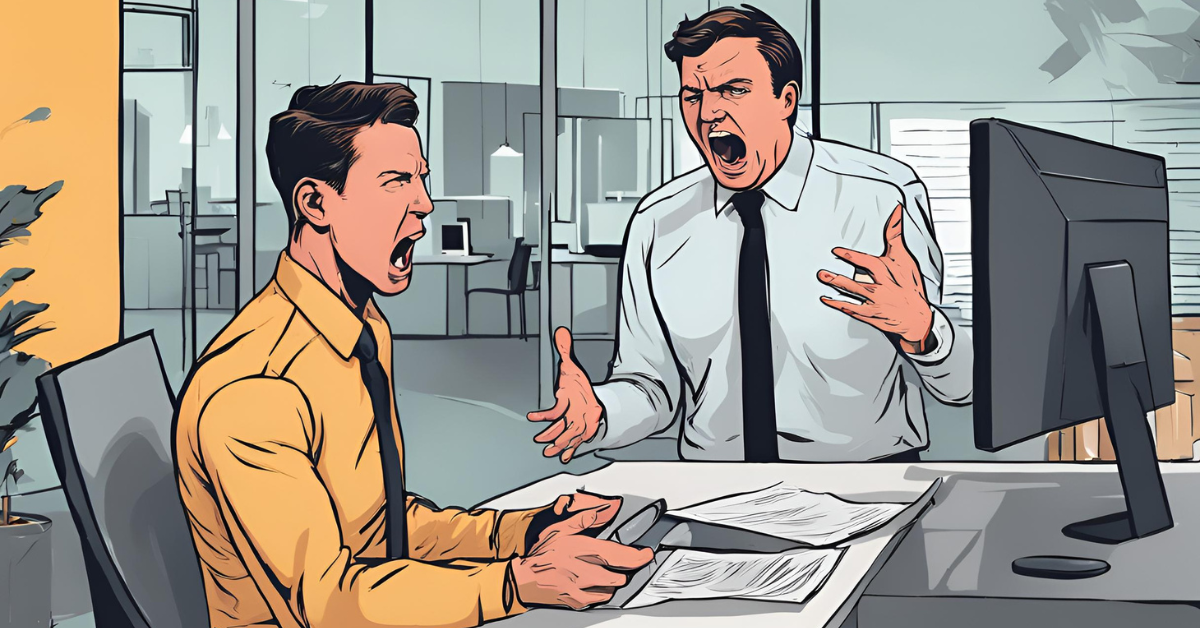
For Managers: How to Give Constructive Feedback
- Start with the Positive
Acknowledge what the tester did well—complex scenarios handled, dedication shown—before addressing the bug. This balances the conversation and preserves morale. - Focus on the Issue, Not the Person
Phrase feedback objectively:
“The test case missed this edge scenario,”
instead of
“You missed this bug.” - Be Specific and Actionable
Offer clear guidance:
“Next time, include boundary tests for similar features to catch edge cases.” - Encourage Reflection and Ownership
Ask open questions:
“What could you do differently next time?”
Empowering testers to self-assess fosters accountability. - End with Encouragement and Support
Reinforce their value:
“I know errors happen. I’m here to help you grow, and I’m confident you’ll nail it next time.”
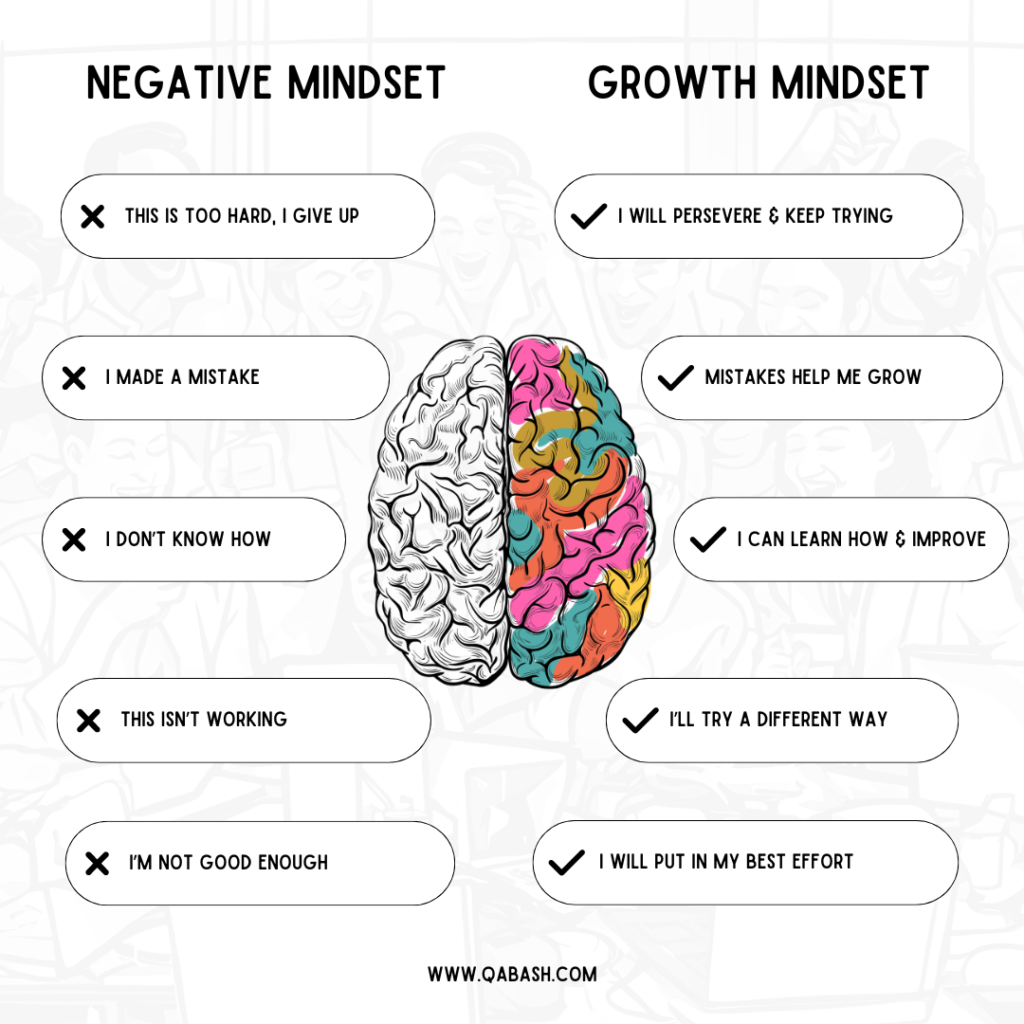
For Junior Testers: How to Take Feedback Constructively
- Listen Actively
Focus fully on the feedback without interrupting. Take notes to ensure you capture key points. - Ask Clarifying Questions
If unclear, seek specifics:
“Could you show me how to better cover edge cases?”
Demonstrates engagement and eagerness to learn. - Own Your Mistake
Acknowledge responsibility:
“I realize I overlooked that scenario.”
Accountability builds trust and credibility. - Learn from the Feedback
Identify skill gaps and action steps—pair with seniors, research coverage strategies, or practice additional scenarios. - Keep a Growth Mindset
View feedback as a stepping stone, not a setback. Each bug and feedback session accelerates your expertise.
Key Takeaways
- Constructive feedback transforms bugs into learning moments.
- Managers should balance positives, focus on behavior, and provide clear action steps.
- Junior testers thrive by listening, owning mistakes, and adopting a growth mindset.
- Collaborative feedback strengthens QA processes and team morale.
This approach to feedback ensures that mistakes lead to long-term improvement rather than blame, creating a stronger, more resilient QA Engineering team.